Category Archives: Reflections

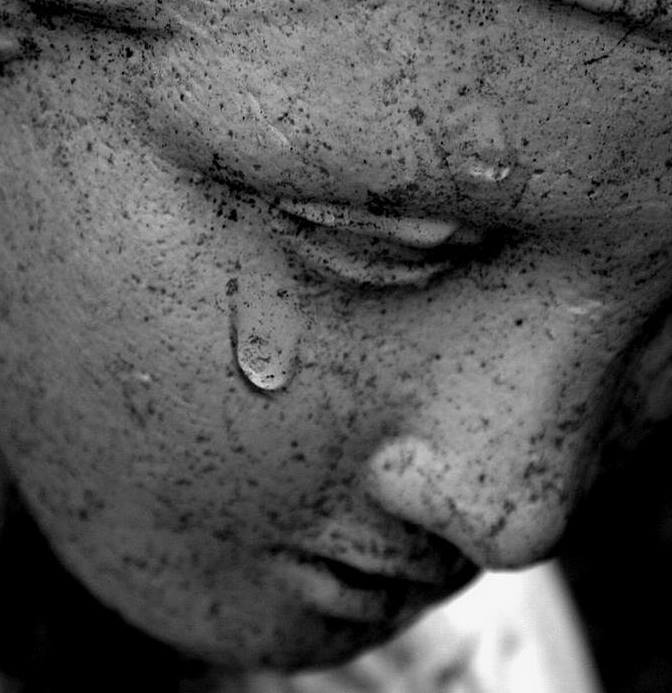
…depicting the loss of a loved one to life in a poem draft…

10414848_10153470209299711_918667128278139240_n

“Kırık Kanat” was the title of it 

the first book i can remember our mom giving us

“Broken Wing”

about a family falling apart 

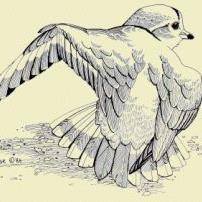
a bird with a broken wing seeking to extend its life 

on their one-room home’s only window’s ledge

at the ground level befitting their income’s edge

as if to enable the little beauty one more flight

i read it again and again 

have you by any chance ever

mom’s copy is with me

i kept it all along

would she cry as hard now if she knew

how miserably apart you and i grew 

her only two

i am different that is true

have walked the path of mess

hurting others though with no intent

honing learned flaws i’d rather live without

but no more than you

not even once have i aimed at loving you 

under this or that condition

i just loved

respecting

admiring

trusting

not anymore

the wing intact also broke from its core

7.25.2015

Leave a comment

Filed under Reflections

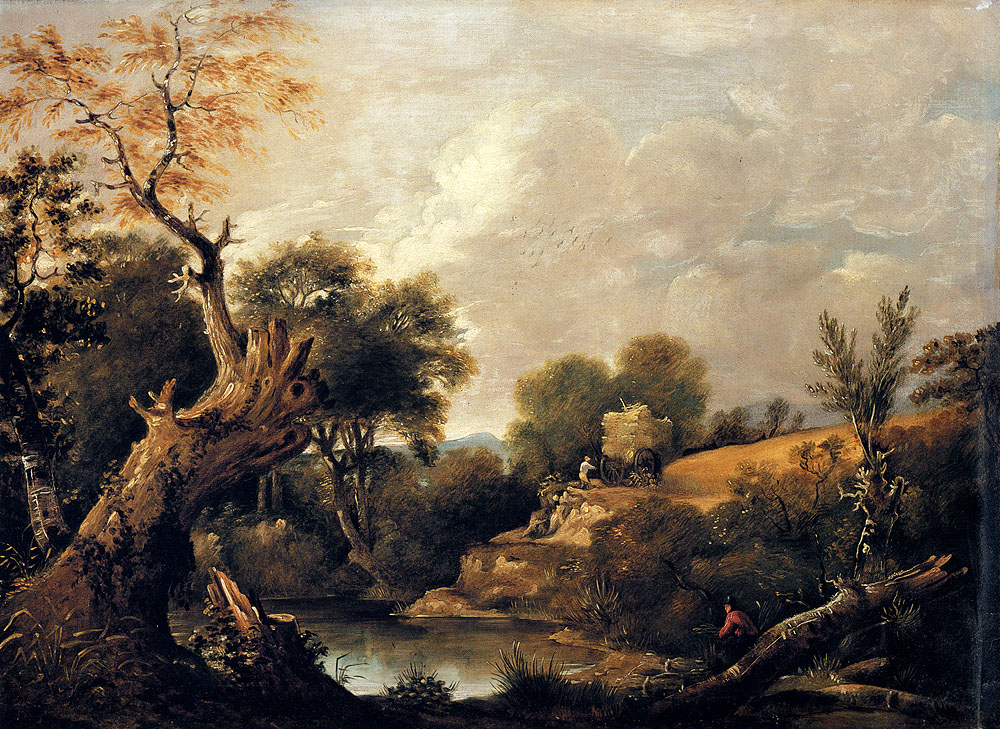
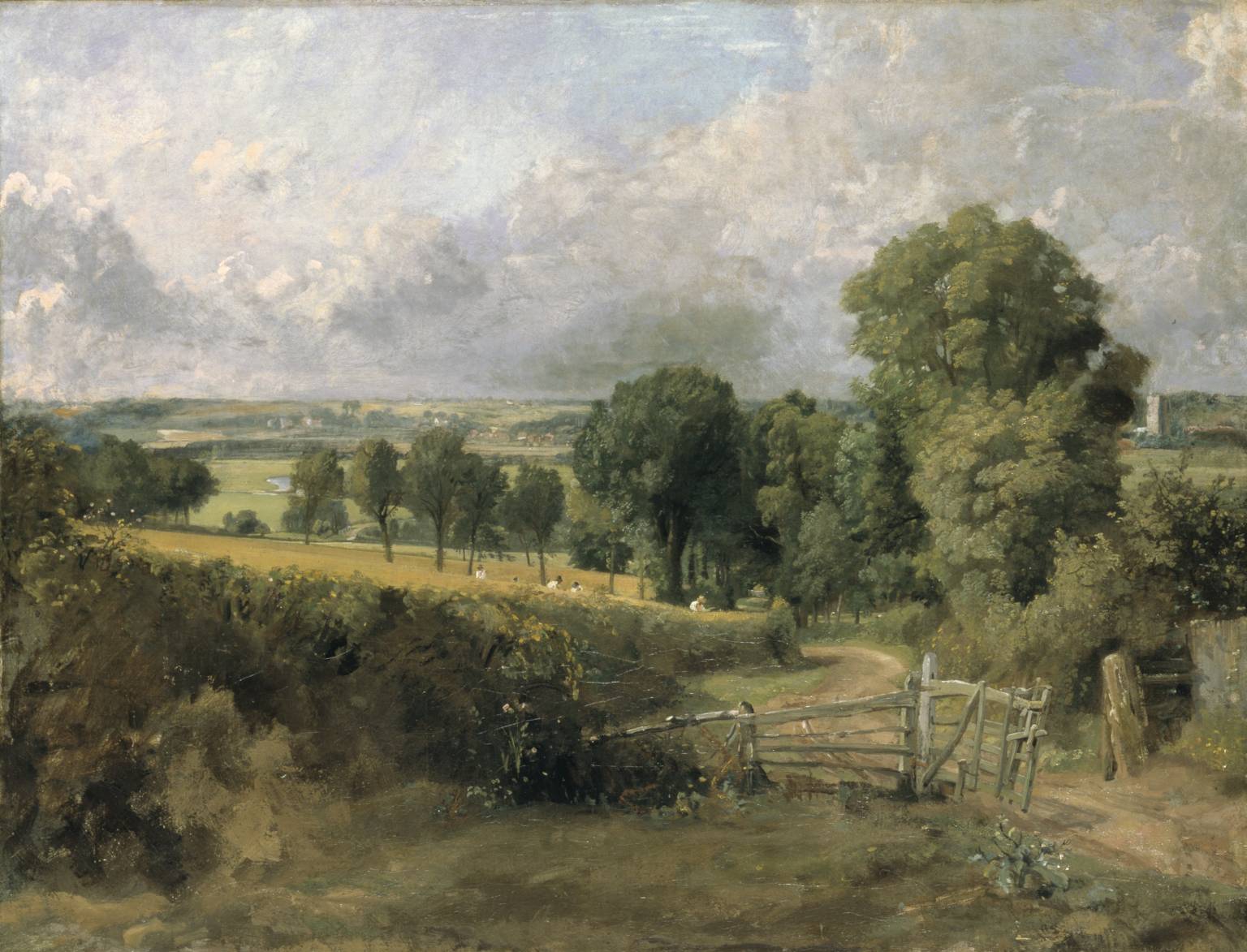
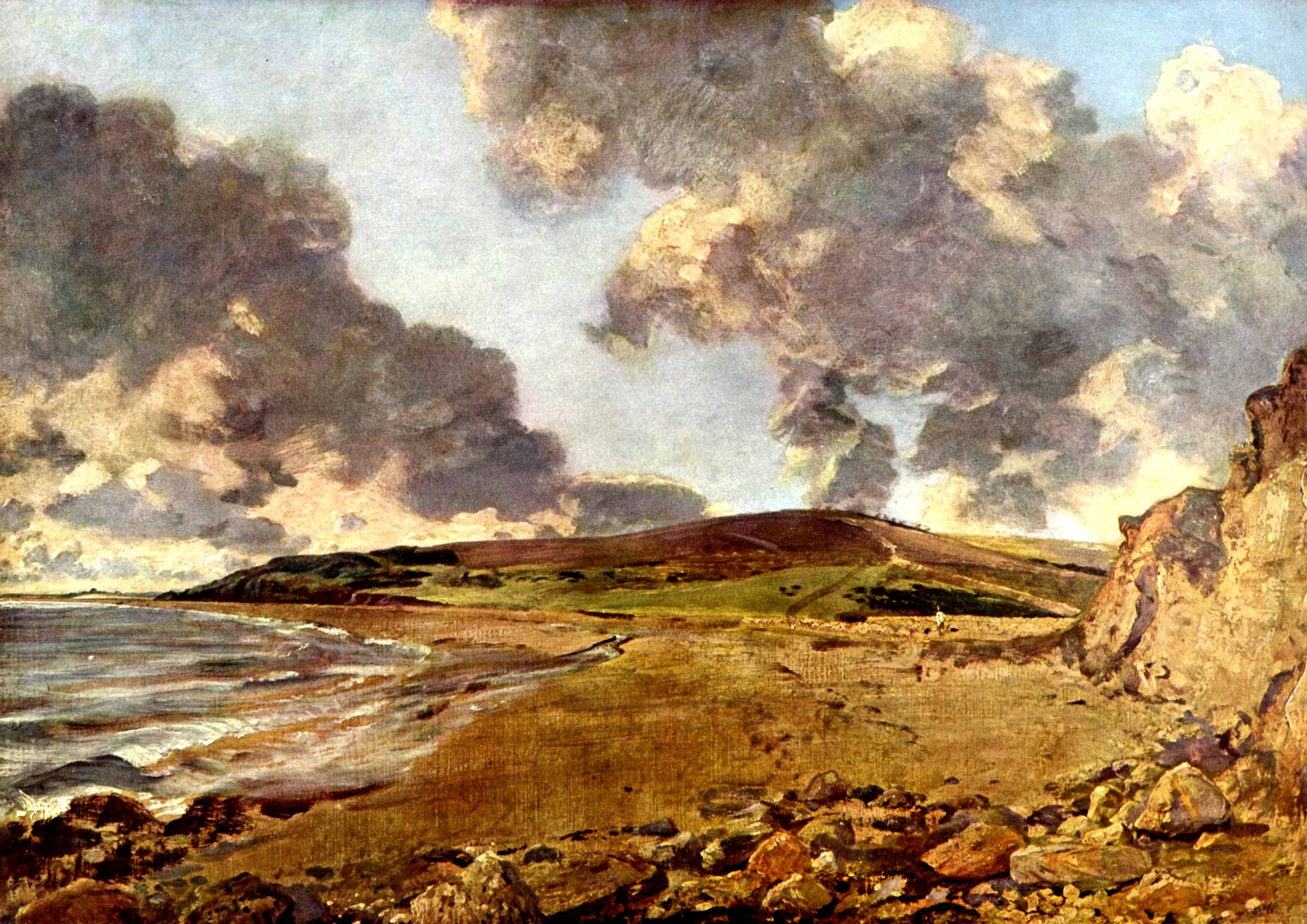
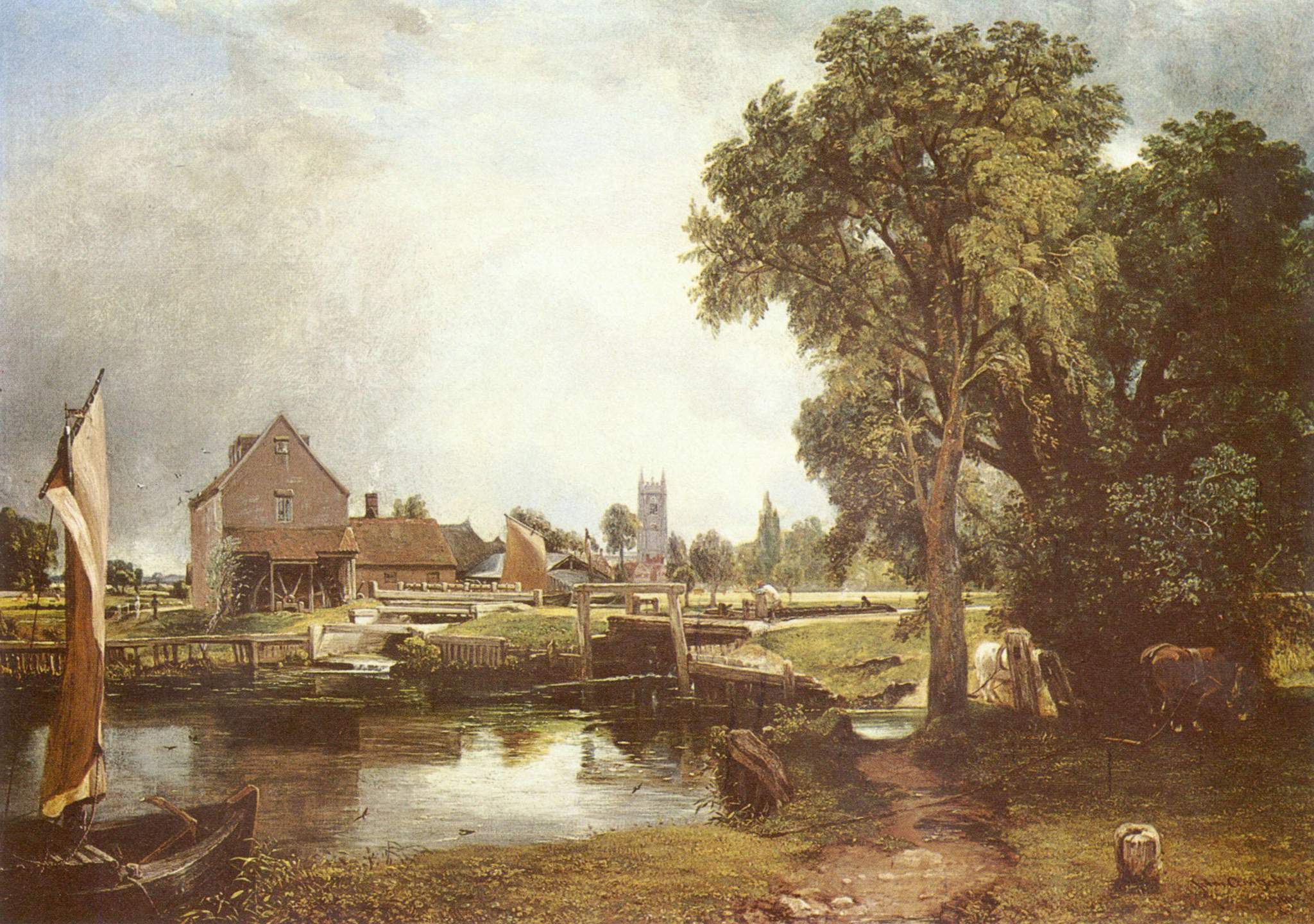
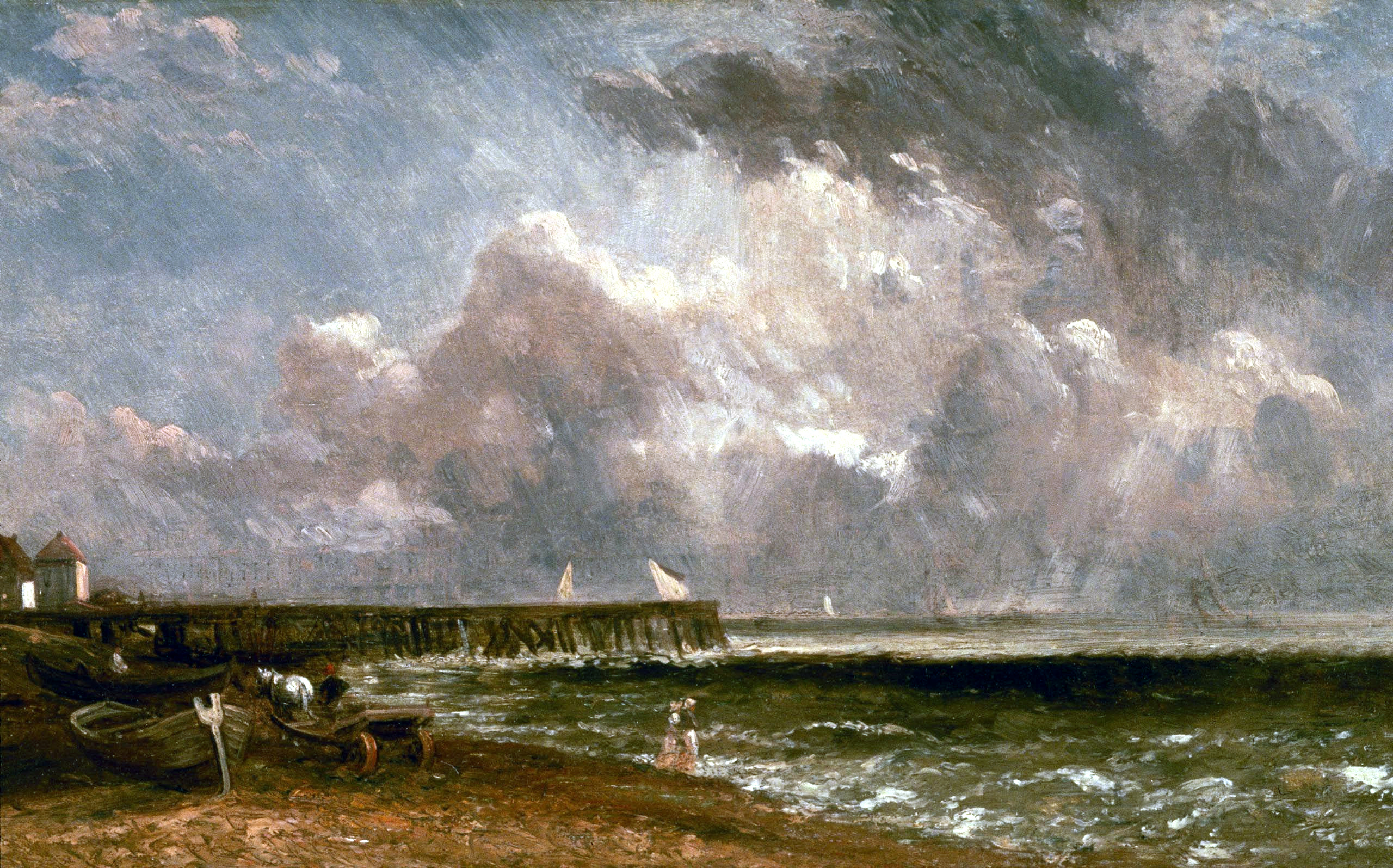
A painter’s view on nature

“The art of seeing nature is a thing almost as much to be acquired as the art of reading the Egyptian hieroglyphics.”

~ John Constable (1776-1837)

the-harvest-field

Fen Lane, East Bergholt ?1817 John Constable 1776-1837 Purchased with assistance from the National Lottery through the Heritage Lottery Fund and the Art Fund (with a contribution from the Wolfson Foundation), with additional assistance from Sir Edwin and Lady Manton and Tate Members in memory of Leslie Parris, Deputy Keeper British Collection and Senior Research Fellow Collections Division 1974-2000, and from the bequest of Alice Cooper Creed, 2002 http://www.tate.org.uk/art/work/T07822

John_Constable_027

John_Constable_023

yarmouth-pier-1822

[Credit for images: Wikipedia]

Leave a comment

Filed under Reflections

Literary translation or butchering the dignity of a language?

1958151_10152264785984711_1256959347_n

In the following line pair, there is one word that places a serious challenge to a translation in English when loyalty to the expressed sentiment in the Turkish original is concerned, and that word is “can”:

neden bu kadar yanıyorsun ki, can?
seni kendine can görmemiş işte canan

hülya n. yılmaz, 7.14.2015

The short-cut I offer as my image selection is self-explanatory: there is intense pain involved. As for the sentiment of focus, it is nothing original. We have heard it many times before, perhaps even personally lived or are living through it at the moment: imbalanced love of romantic nature. To be somewhat more succinct: one of the involved persons having made a heavy emotional investment in it, while the other one has not. While all of this is too familiar to us, the particular diction is not. For in the English wording of “can” lies the literary translator’s dilemma.

I had posted the lines above on one of my social media platforms recently as you see from the original date showing, and was pleasantly surprised at the reaction they had received from Turkish readers. I thought about translating it to English based on the positive responses but never got around doing so until today. But first, I must visit the key word in question with you: “can” could be used in the meaning of “life, essence, soul, heart” and the likes, and with it, Turkish language users refer to a loved one – not at all exclusively to someone with whom they are romantically involved. However, it may be used as such. That is, if a writer or a speaker chooses to apply such meaning to it – as I do in the second line but not in the first. Also “canan” – a word derived from the same stem – is important to mention here. For it represents only the object of romantic love in the Turkish language. And I, in my line pair, make both compete with one another.

As a flavoring particle, “işte” can stand for “here, now, see, look” and the likes. Accordingly, my two line poetic attempt would have to sound something like this:

why are you burning so, oh heart?

you see,

the beloved has not found a beloved in you

You don’t like the sound of the translated version, do you? Neither do I! Because the outcome is nothing like the impact the original language is capable of leaving behind. Thanks to the different spelling between “can” and “canan” but also due to the hinted meaning of “can” as the heart of one’s self as well as the beloved him-/her-self.

So, I conclude – without a conclusion – by providing us an inner monolog option to conceive the intended sentiment as true to its origination mode as possible for today but – unfortunately – in far more mundane terms: Why are you suffering this much? Your beloved apparently did not find love in you.

~ ~ ~ ~ ~ ~ ~ ~ ~

Before I leave you with my thanks for your visit and good wishes for the rest of your Sunday and your new week, I would like to ask you a related question: Did you in your translation efforts run into similar situations where you not just knew but felt at the core of your being what the original statement intended for you to conceive as an emotion yet you couldn’t erect the cultural bridge for the sake of further understanding between different language users? On account of the deficiencies in one language or another or of a mere word?

I already look forward to any input you would be willing to give me with your comments and thank you in advance for your time.

1958151_10152264785984711_1256959347_n

Leave a comment

Filed under Reflections

Turks in Europe: A “Marginal” Culture? … poetry is all-inclusive, after all…

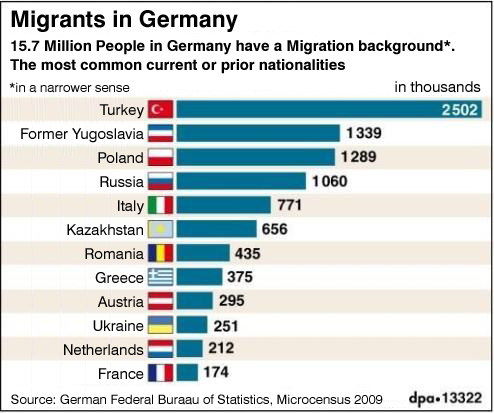
migration2_540166b

Source: http://www.pi-news.org/2012/01/theyve-gone-mad-the-germans/

the marginal and the mainstream human

modern history finds them of despicable minor status today:

Turks in Europe

1961 saw them rolling in as blue-collar workers

after their government sold them for that infamous red carpet

its equally manipulative counterpart spread under their feet

they first became street sweepers

attended public toilets and god-forlorn alleys of crime

literary pens among them were brushed aside too long

when out of the scores of oppressed marginal selves

entrepreneurs with the crisp mainstream green came along

oozing ambitions into the parlamentarian powerhouse

although minor in impact yet language and mind intact

those foreign voices then changed into a well-known fact

back at home

for several centuries

their ancestors had under their reign civilizations galore

the great great great great great grandchildren of those rulers

remained oblivious to the ills of their life-seeking own

unaware how they are now trapped in the fangs of marginality

on the capricious pages of a modern-day European tragedy

one that has been writing for decades for the world to see

of their twofold abandonment by the hardcore humanity

~ ~ ~ ~ ~ ~

© hülya n. yılmaz, January 20, 2015

A poem contribution to the February 2015 issue of The Year of the Poet, a monthly book series published by Inner Child Press, Ltd.

Leave a comment

Filed under Reflections

“the after”

in contagious passion of all our unlived

we kept writing each other again and again

from you i had learned the love for a man

this time anew you tried as hard as back then

but my pain lasted beyond your reach to soothe

i digged out that poem’s title

its remaining verses came along

Can Dündar had lined up your fear for me

i must have worried you beyond my capacity

for musalla taşı* was a most somber thought for my after

© hülya n. yılmaz, February 16, 2015

* A stone platform on which the dead body is placed with its closed coffin to receive a final goodbye along with a specific prayer– a core element for Muslim burial ceremonies. The body is then carried in its coffin to the burial site to be lowered and covered with fresh soil inside a plain white cloth – without the coffin.

~ ~ ~ ~ ~

The poem above is one of my three contributions to the March 2015 issue of The Year of the Poet, a monthly book series published by Inner Child Press, Ltd.

Leave a comment

Filed under Reflections

When a larger-than-life beloved is no longer…

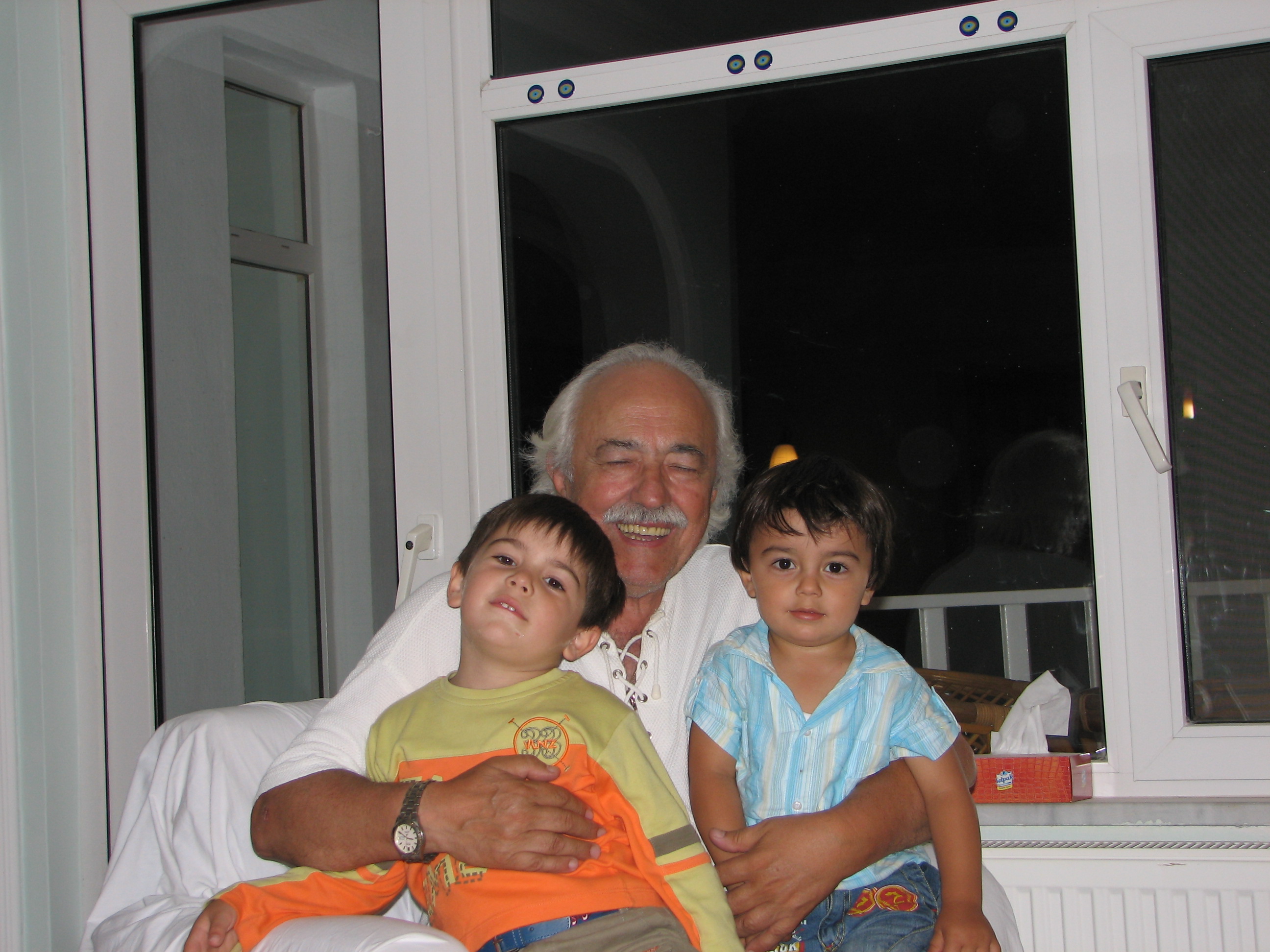
dayim-2.Sinop 2006

The photograph above is one of the many I had taken of my larger-than-life beloved maternal uncle with two of his grandchildren in 2006 in my former flat in Sinop, Turkey – my back-then-short-lived-residence he had enabled me to purchase and renovate from top to bottom. He was overjoyed to have my Turkish home in the same building as his own.
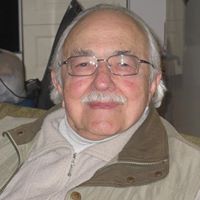
 417316_121635561299475_1537323278_n

A 2012 photograph I believe to have originated from his flat in Celle, Germany.

The Turkish poem below belongs to my beloved Dr. (Med.) Mahmut Oğuz Ergün, in which he reminisces some of his vivid memories from his early life in Sinop – his birth town in Turkey he loved with passion. While I am sharing his heartfelt words with you, I remain in the hope that you also had, have or will have the rare fortune of knowing the beauty of someone as special to you as you couldn’t possibly describe but would have to conceive at the core of your being. For me, that beloved legend was Mahmut dayım – my maternal uncle, with whose death early yesterday morning my life has stopped being a privilege of his making.

~ ~ ~ ~ ~ ~ ~ ~

His poem, “Sinop’um” with a brief insight:

I may eventually translate and re-post my uncle’s Turkish poem, “My Sinop” but refrain from doing so for the time being, because I know I won’t be able to do justice right now to his upbeat, mischievous lad-like poetic tone or his tireless enthusiasm for life mirrored in every line below. I lack all of the above. At least for today.

Sinop’um

Gene gemilerin ışıkları görülüyor limanda

Demek dehşetli bir fırtına var dışarda

Yeşilimsi, mavimsi, beyaz köpüklü dalgalar

Ürkütüyor gemileri açıklarda

Gene Sinop kollarını açmış limanda

Bağrına basmış, koruyor onları kucağında

Eskiden de böyleydi, çocukluğumu yaşadığım Sinopda

Bahçe içinde ahşap bir evimiz vardı adada

Sabah, motor sesleri ile uyanırdım yatağımda

Taka taka, taka taka, taka taka

Yolcu vapuru uğrardı iki kere haftada

Yolcular, karşılayanlar, satıcılar kaynaşırdı limanda

O zamanlar, demir atardı gemiler açıkta

Yolcular çıkardı iskeleye motorlarla

Taka taka, taka taka, taka taka

Bir çok balıkçı kulubeleri vardı kıyıda

Uskumru, hamsi palamut dolu tekneler

Neşeyle dönerlerdi kış akşamlarında

Taka taka, taka taka, taka taka

Gündüzleri balık tutardık adabaşında

Geceleri fenerle lüfer beklerdik kayıkta

Iyi kalpli bir balıkçı motoru

Bizi çekerek götürürdü limana

Taka taka, taka taka, taka taka

Yüzmeyi öğrenmiştim su yuta yuta

Beş yaşında denize girerdim çukurbağında

Eve geç gelince, korkudan girerdim yatağıma

Ama denizin tuzu kalırdı yanağımda

Güzel annem anlardı yüzümü yalayınca

Hınzır derdi, gene denize girmişsin çukurbağında

Cık yataktan, gir bakayım banyoya

Seni velet seni, öyle yalancıktan ağlama

Piri pak olmuş girerdim yatağıma

Ucuz kurtuldum diyerek dalarken uykuya

Gene ninni gibi gelen motor sesleri

Taka taka, taka taka, taka taka

© MOE- Celle -Almanya; 30 Nisan 2004

MOE is how dayım – Mahmut Oğuz Ergün, would sign his full name, sometimes with his medical title right before it.
2 Comments

Filed under Reflections

…actions by Turkish men…speak for themselves…

Turkey Protest

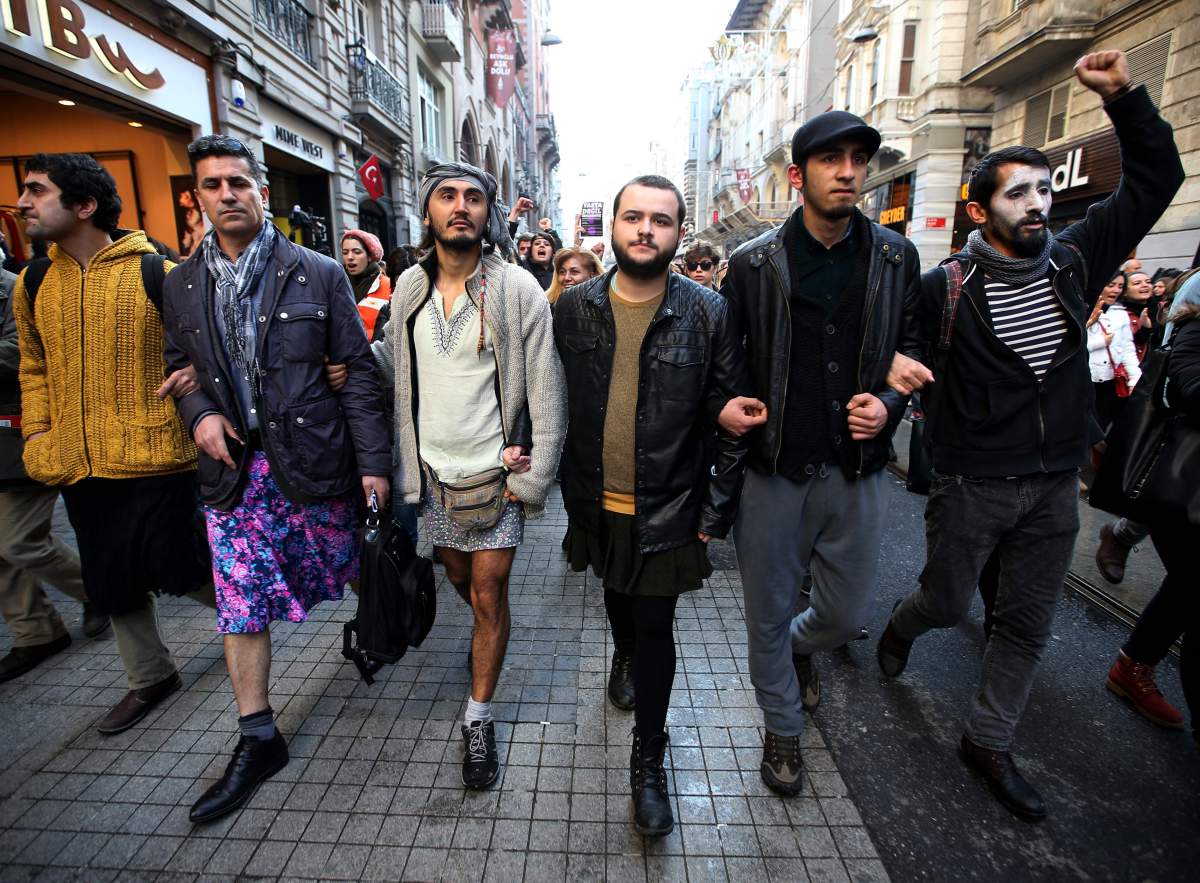
If you have visited my Sunday reflections from last week, then you know what had been lying heavy in my heart. When I wrote last’ Sunday’s piece, my trust in the Turkish government’s just handling of the brutal murder of the 20-year old woman was shaken beyond consolation. Then, during the past week, a friend who is aware of my Turkish heritage, sent me the following link. Even if you merely scan-read the article, or simply look at the image below, you will know right away as to why my tone is quite upbeat today. For a February 23, 2015 article in Time, “Turkish Men Are Wearing Miniskirts to Fight for Women’s Rights”  by Laura Stampler narrates about a group of men in Turkey who publicly wore miniskirts. Not to make a fashion statement but rather as a silent protest against the growingly infectious mentality in the country under the current regime that ‘women ask for the wrong attention through their own clothing choices. In sum: against the legal justification of violence against the female population who has been donning and continue to don secular attire. Without any further thoughts from me on this serious matter, I will leave you to form your own opinion, if you were to become so inclined as to make any deliberations. I, for one, will seek comfort (for a change) in the said article’s every line. For there seems to be hope for Turkey, after all, with an apparently vocal male representation being intact – a male population that questions in public the legal support for the violation of women’s basic rights, stands up proudly against it, putting aside the infamous Turkish male ago along the way.

Leave a comment

Filed under Reflections

Is Homicide of Women Being Legalized in Turkey?

ozgecan-aslan-yakilarak-oldurulmus-halde-bulundu [Photo Credit: ilerihaber.org]

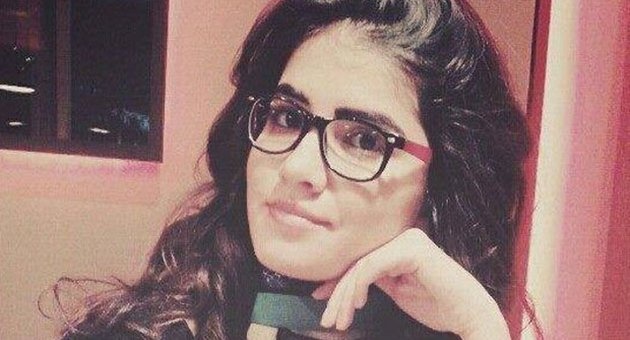
The news has been visited this past week by Turks and non-Turks alike time and again under fiery captions since the murder of the young woman in the picture above. Terms like “brutal” or “cruel” are, to me, overused, hence unfortunately, misused referents. I, therefore, opt out from relying on such language. In fact, I choose to leave it up to you, dear readers, to form your own opinion through a synthesis of related information – some of which I provide below. I, myself, remain in grave sorrow over the strikingly intensified violence against and the rapidly increasing numbers in homicide of women in Turkey. I thus join countless others, living in or outside the country, in their equally fast growing disgust and outrage over the Turkish government’s approving silence in the face of primal dismissals of a woman’s right for a life.

~ ~ ~ ~ ~ ~ ~ ~ ~ ~

you probably were as unique of a soul as donned by your name of birth

not merely distinctive but a daredevil as well

it is being said you resisted being raped: what a feat…

yet three men ambushing you is not even for a man a fair defeat 

the word is out now: the entire country is crying over your death

a preposterous claim!

what fairy tale can dare to allege a country is made of the female alone?

besides…

even a fantasy land would have to have a leading hand

© hülya n. yılmaz, February 22, 2015

~ ~ ~ ~ ~ ~ ~ ~ ~ ~  


Related Links:

Turkey’s Murder Rate of Women Skyrockets

The Journal of Turkish Weekly

Turkey.com

Cihan

BBC News – Turkey rallies over murder of woman who resisted rape

4 Comments

Filed under Reflections

…happiness of innocence, or, innocent happiness…

Last week, I ran into a news summary from Turkey. If the source is not citing from a hoax, a new Turkish tribe has been discovered. The references to these nomadic Turks differ between “Reindeer Turks”, “Dukha Turks”,”Old Turks” and “Lost Turks” (and probably with more names to come, as they are apparently under the lenses of diligent studies by various groups). As soon as I viewed the available (Turkish) documentaries – one of which I am sharing with you today, my long-time quest for signs in adults of hard-core innocence and happiness found its niche. For what is said about these ‘lost’ humans translates, to me, into an effective formula of enhancement, if not survival, for our so-called modern-day humanity: belief in equality in all aspects of their life and in lack of distinction between the genders; conviction of sharing as norm; free-spiritedness; heightened sensitivity and practiced care to preserve nature (not even washing their hands in a river for fear of polluting it). Under the influence of what I have first read, then seen several times and finally registered in the depth of my being, I am tempted to conclude that I belong to those truly lost yet wish to fuse into the newly found supposedly ‘lost’ ones…


Leave a comment

Filed under Reflections

A book is…

“What an astonishing thing a book is. It’s a flat object made from a tree with flexible parts on which are imprinted lots of funny dark squiggles. But one glance at it and you’re inside the mind of another person, maybe somebody dead for thousands of years. Across the millennia, an author is speaking clearly and silently inside your head, directly to you. Writing is perhaps the greatest of human inventions, binding together people who never knew each other, citizens of distant epochs. Books break the shackles of time. A book is proof that humans are capable of working magic.”

sagan_uc

I had run into the statement above by Carl Sagan a while ago, and saved it on my laptop inside my “Pending” files. Pending deliberations. Pending writings. Pending contemplations. And so on. My many posts on my blog site are proof enough – as you would agree, how fond I am of citing quotes from famous individuals. Or better yet, of making sense of my life’s various aspects with the help of those with wisdom to whose voiced experiences I end up connecting on various existential levels. Sagan’s enthusiastic manifestation of love for writing and reading had absolutely no chance escaping my attention. So, here it comes to you in the hope that we will infinitely succeed in “working magic.”  


1 Comment

Filed under Reflections