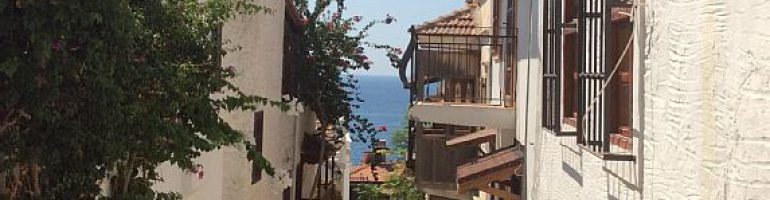
my scream had been so loud
that i didn’t hear the silence
waiting still in angered calm
for the murderous pain to cease
~ ~ ~ ~ ~ ~ ~ ~ ~ ~
7.30.2015


[Photo Credits: Self; Location: “Ada” in Sinop, Turkey]
my scream had been so loud
that i didn’t hear the silence
waiting still in angered calm
for the murderous pain to cease
~ ~ ~ ~ ~ ~ ~ ~ ~ ~
7.30.2015
[Photo Credits: Self; Location: “Ada” in Sinop, Turkey]

[Image Credit: “sad and simple”
Long ago, I read an article on “things” some of us find difficult to express when we communicate with others. Three of those simple words work as my post’s title today. At times, even an exceptionally loved one may withhold these few letters what to us mean comfort at moments of despair, like a reassuring whisper to re-pump the drying heart. Perhaps, articulating these love-filled sounds equates to that beloved a forced confession of feelings of guilt, fault, blame or acceptance of an unwanted judgment. If only it weren’t for one fact: when there is love, there is no need for defense. For, there can be no intended offense.
I have no further deliberations on the subject – at least nothing I find worthy enough as far as a personal thought in prose to share with you here. Instead, I have jotted down some reflective lines in the form of a hopeful poem:
the fragile soul had never been undressed this way
nor can it ever again
for it has decided to be a once-only lover
it should have known not to attempt a fatal risk
still it hasn’t regretted being so bare
before the one for whom it had stripped itself
of hopes expectations
guilt blame fault
judgments
the innermost turbulence yet trashed it apart
with as violent a tearing from its core as can be
into a blindness of the temporary kind
the ego blamed guilted the other
dared to hope and to expect
not even massive masses of tears sufficed
to revive it from its raging death
from the beloved then it borrowed a new breath
stillness of the soul thus was demanded to prevail…
on its torturous path of an onus yet
it now opts in vain to regain courage
toward an ajar if not an open gate
for peace and salvation per the latest request:
not expecting
nor blaming
not faulting
nor guilting
not hoping
nor judging
just being dead
as needed by all
but the dying soul itself
~ ~ ~ ~ ~ ~ ~ ~ ~ ~
8.3.2015
Filed under Poetry

[Image Credit: CRUNCHPICS.COM]
my eyes in their fading shine
mistake specks of soil for something they are not
for fear to step on an ant
lest my shoe’s sole falls on one
but not hard enough for a merciful death
how then am i going to let die
a love of divine essence
one gasp for air at a time…
~ ~ ~ ~ ~ ~ ~ ~ ~ ~
7.30.2015
Filed under Poetry
An exceptionally esteemed friend had introduced me to the writings of David Whyte a long time ago. His page is one of the few platforms where I spend meaningful time when my Facebook activities at large are concerned. Recently, I have come across the article below among many other thought-provoking deliberations by this renowned poet, author and public speaker. And today, my obvious intent – with reason – is to share with you his reflections on the concept of “despair” and our conceptualizations of this phenomenon.
Filed under Reflections

[Image Credit: Lover of Sadness]
gecelerin koynuna girerken
özlemine yaralarımı seriyorum
can yandıkça yanıyor
gündüzler ateş pahası…
while i slip to the bosom of the nights
i spread my scars upon the urge i have for you
the soul aches and aches
days are ablaze in their rarity…
~ ~ ~ ~ ~ ~ ~ ~ ~
Written and translated to English on 6.26.2015
Filed under Poetry
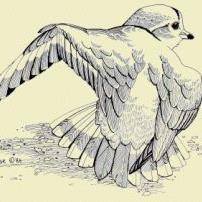
“Kırık Kanat” was the title of it
the first book i can remember our mom giving us
“Broken Wing”
about a family falling apart
a bird with a broken wing seeking to extend its life
on their one-room home’s only window’s ledge
at the ground level befitting their income’s edge
as if to enable the little beauty one more flight
i read it again and again
have you by any chance ever
mom’s copy is with me
i kept it all along
would she cry as hard now if she knew
how miserably apart you and i grew
her only two
i am different that is true
have walked the path of mess
hurting others though with no intent
honing learned flaws i’d rather live without
but no more than you
not even once have i aimed at loving you
under this or that condition
i just loved
respecting
admiring
trusting
not anymore
the wing intact also broke from its core
7.25.2015
Filed under Reflections
“The art of seeing nature is a thing almost as much to be acquired as the art of reading the Egyptian hieroglyphics.”
~ John Constable (1776-1837)

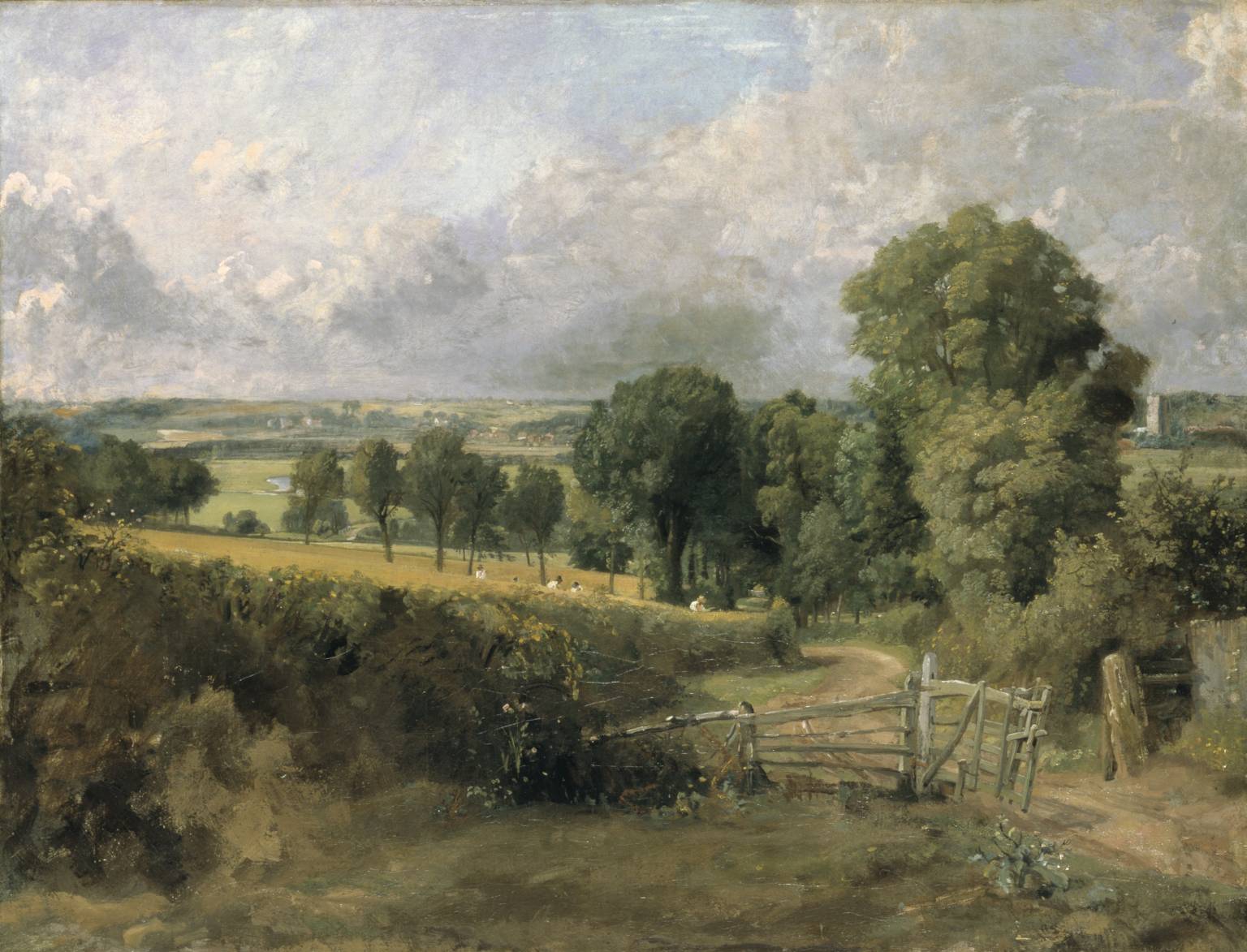
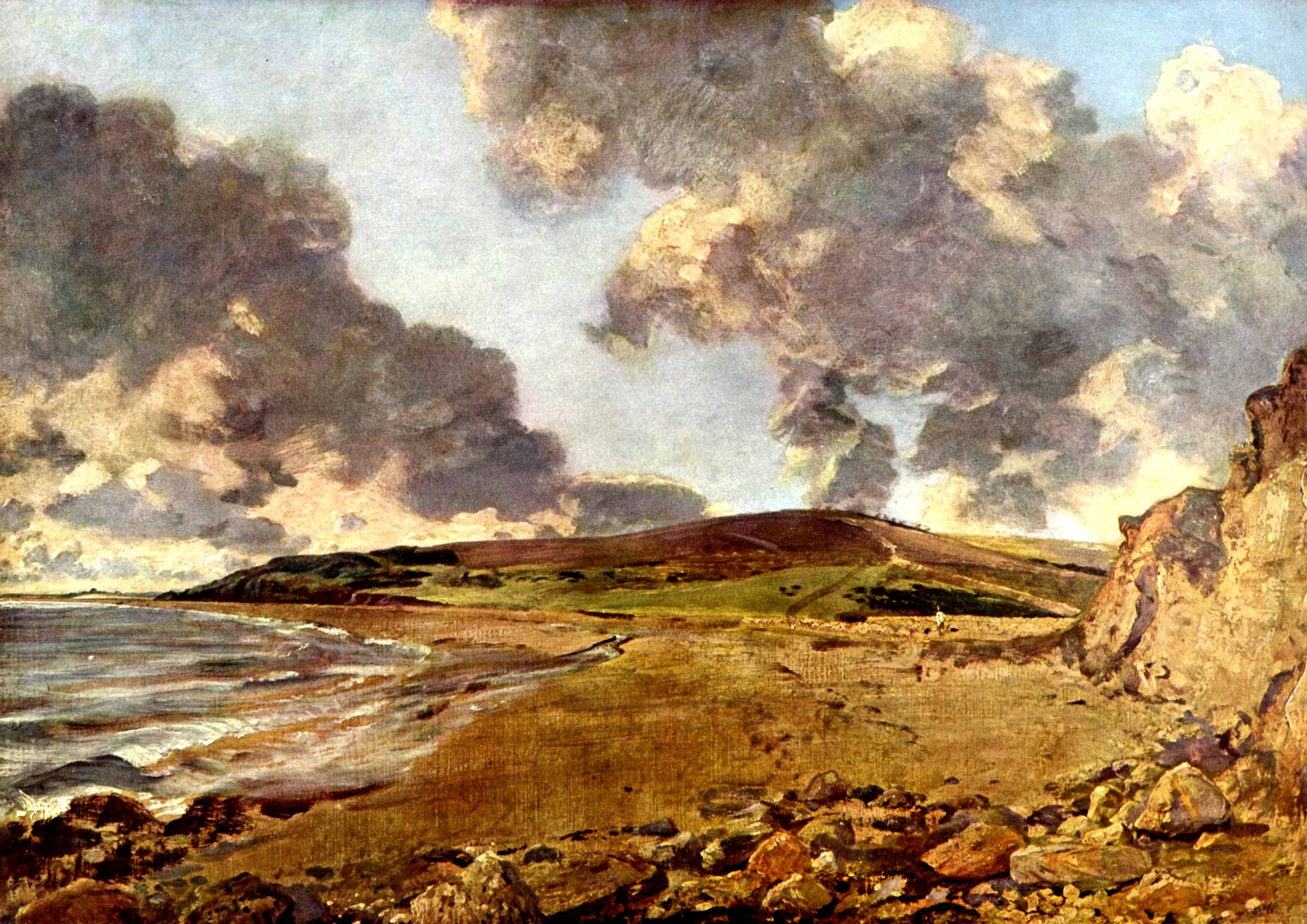
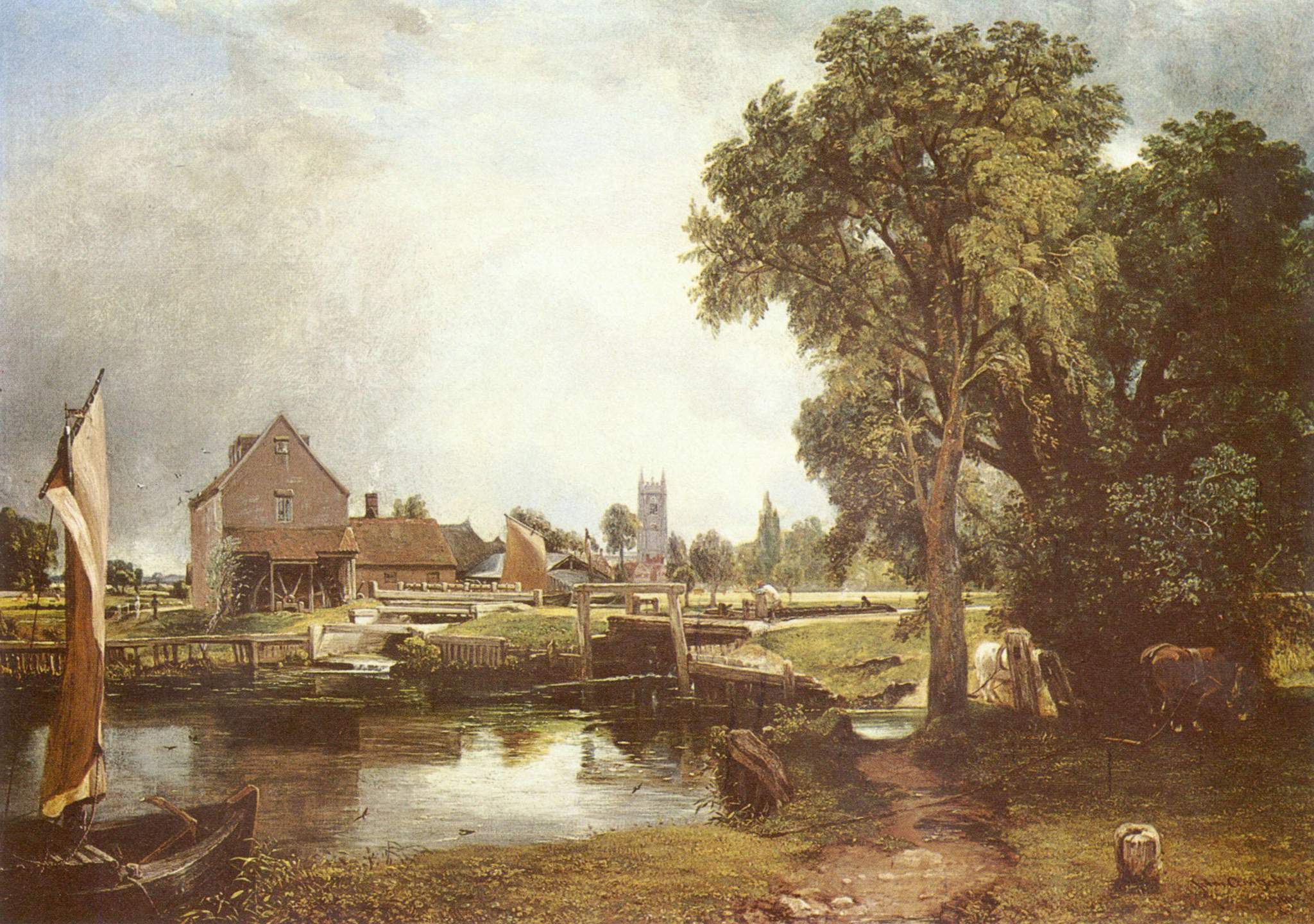
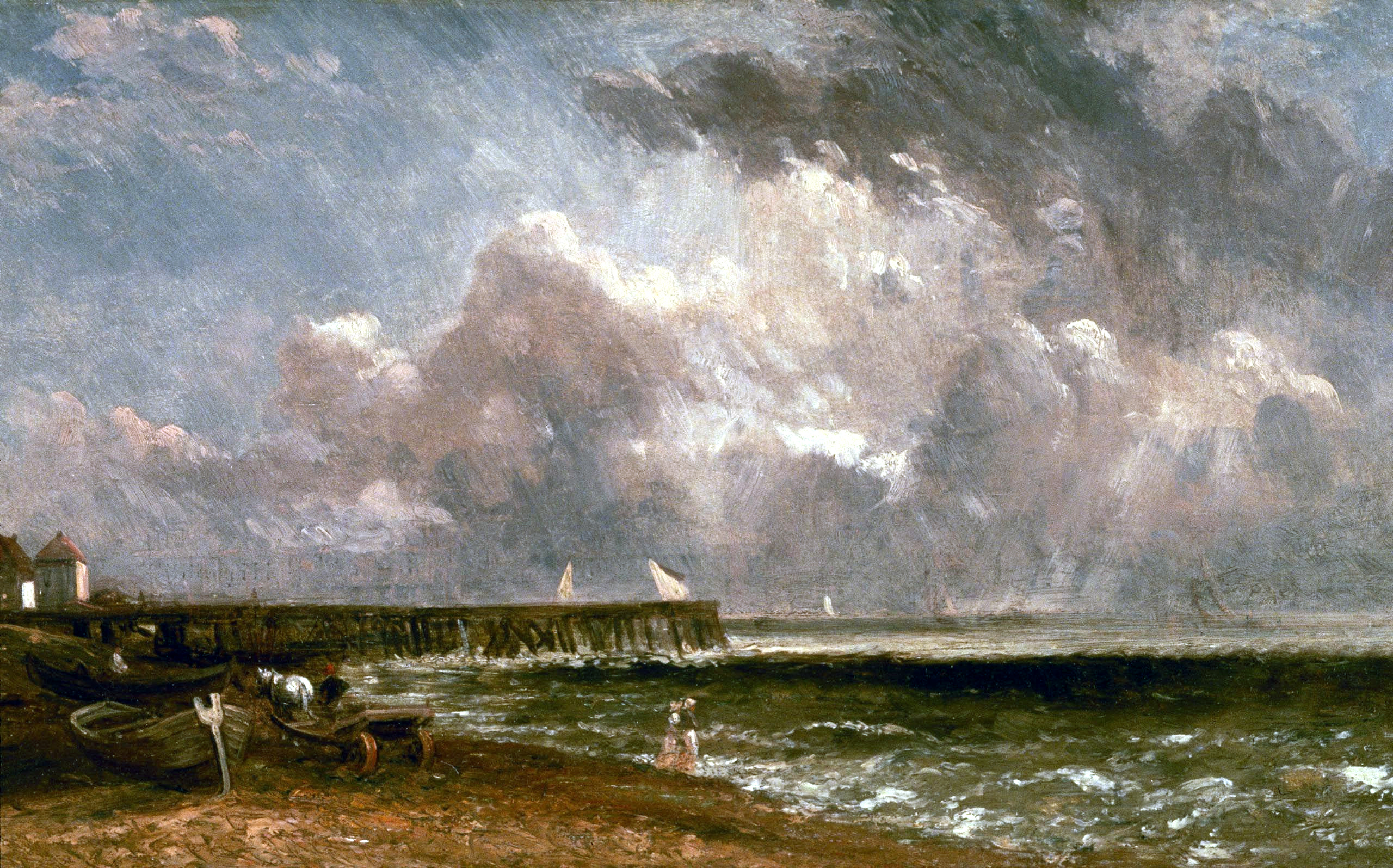
[Credit for images: Wikipedia]
Filed under Reflections

In the following line pair, there is one word that places a serious challenge to a translation in English when loyalty to the expressed sentiment in the Turkish original is concerned, and that word is “can”:
neden bu kadar yanıyorsun ki, can?
seni kendine can görmemiş işte canan
hülya n. yılmaz, 7.14.2015
The short-cut I offer as my image selection is self-explanatory: there is intense pain involved. As for the sentiment of focus, it is nothing original. We have heard it many times before, perhaps even personally lived or are living through it at the moment: imbalanced love of romantic nature. To be somewhat more succinct: one of the involved persons having made a heavy emotional investment in it, while the other one has not. While all of this is too familiar to us, the particular diction is not. For in the English wording of “can” lies the literary translator’s dilemma.
I had posted the lines above on one of my social media platforms recently as you see from the original date showing, and was pleasantly surprised at the reaction they had received from Turkish readers. I thought about translating it to English based on the positive responses but never got around doing so until today. But first, I must visit the key word in question with you: “can” could be used in the meaning of “life, essence, soul, heart” and the likes, and with it, Turkish language users refer to a loved one – not at all exclusively to someone with whom they are romantically involved. However, it may be used as such. That is, if a writer or a speaker chooses to apply such meaning to it – as I do in the second line but not in the first. Also “canan” – a word derived from the same stem – is important to mention here. For it represents only the object of romantic love in the Turkish language. And I, in my line pair, make both compete with one another.
As a flavoring particle, “işte” can stand for “here, now, see, look” and the likes. Accordingly, my two line poetic attempt would have to sound something like this:
why are you burning so, oh heart?
you see,
the beloved has not found a beloved in you
You don’t like the sound of the translated version, do you? Neither do I! Because the outcome is nothing like the impact the original language is capable of leaving behind. Thanks to the different spelling between “can” and “canan” but also due to the hinted meaning of “can” as the heart of one’s self as well as the beloved him-/her-self.
So, I conclude – without a conclusion – by providing us an inner monolog option to conceive the intended sentiment as true to its origination mode as possible for today but – unfortunately – in far more mundane terms: Why are you suffering this much? Your beloved apparently did not find love in you.
~ ~ ~ ~ ~ ~ ~ ~ ~
Before I leave you with my thanks for your visit and good wishes for the rest of your Sunday and your new week, I would like to ask you a related question: Did you in your translation efforts run into similar situations where you not just knew but felt at the core of your being what the original statement intended for you to conceive as an emotion yet you couldn’t erect the cultural bridge for the sake of further understanding between different language users? On account of the deficiencies in one language or another or of a mere word?
I already look forward to any input you would be willing to give me with your comments and thank you in advance for your time.
Filed under Reflections

i yearn to a burn for the original self
ache once again to come to life there
this time not for myself to torch my self
but for the waves to sear to death my sphere
to lull my cleansed eternal birth
upending the end to its final girth
as if to lay down to sleep the infant self

~ This poem was one of my three contributions for the upcoming August 2015 issue of The Year of the Poet, a monthly book series published by Inner Child Press, Ltd.
Filed under Poetry
while dining with its kin and companions
the carcass-serving beast made a fatal mistake
it relied on its incurable lack of brain
hence it belittled you my peaceful child of love
concluding you will always remain infinitesimal
check mate

Photo Credit: Temple Illuminatus]
Together with two other poems, this one was published under the title of “pre-natal visions” in the July 2015 issue of The Year of the Poet, a monthly book series published by Inner Child Press, Ltd.
Filed under Poetry

